
Notes from
the bench.
Engineering writing from the people who design and ship the hardware. No marketing fluff. No filler.
All stories.
22 entries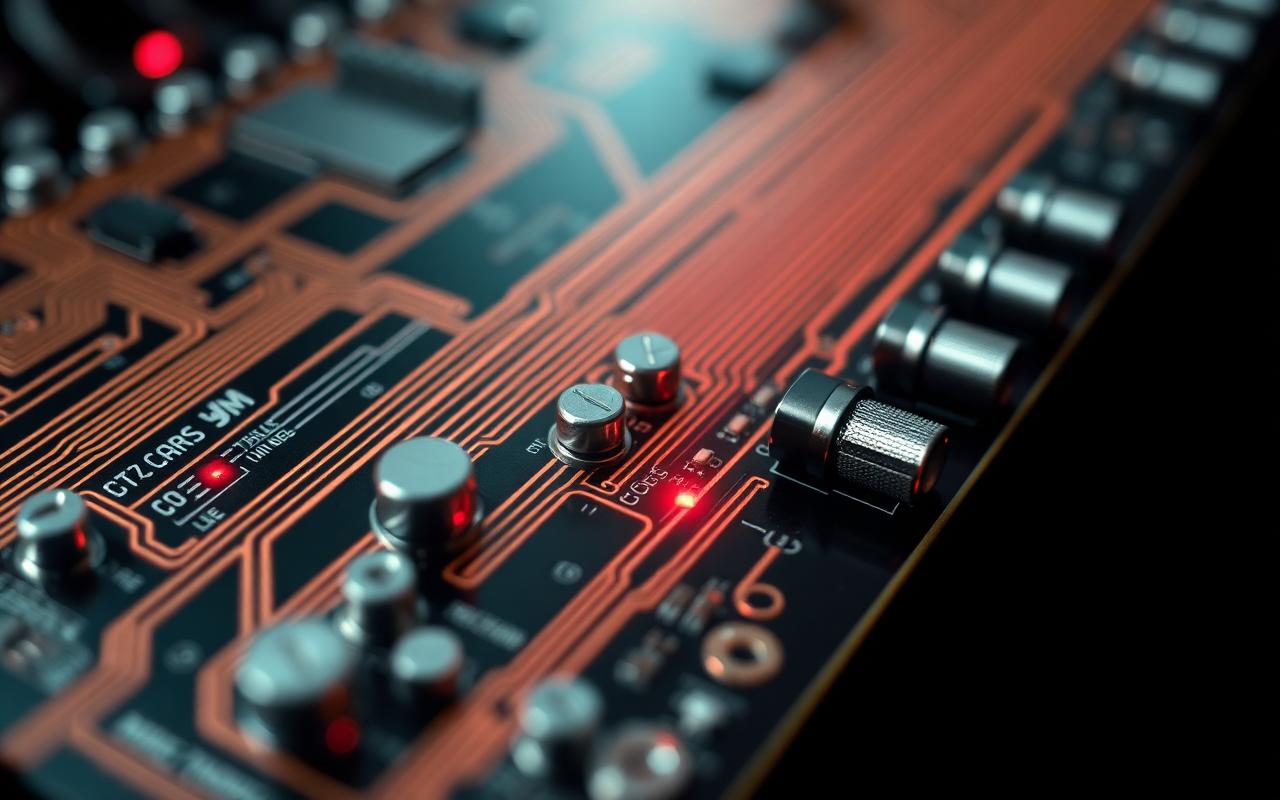 Editorial
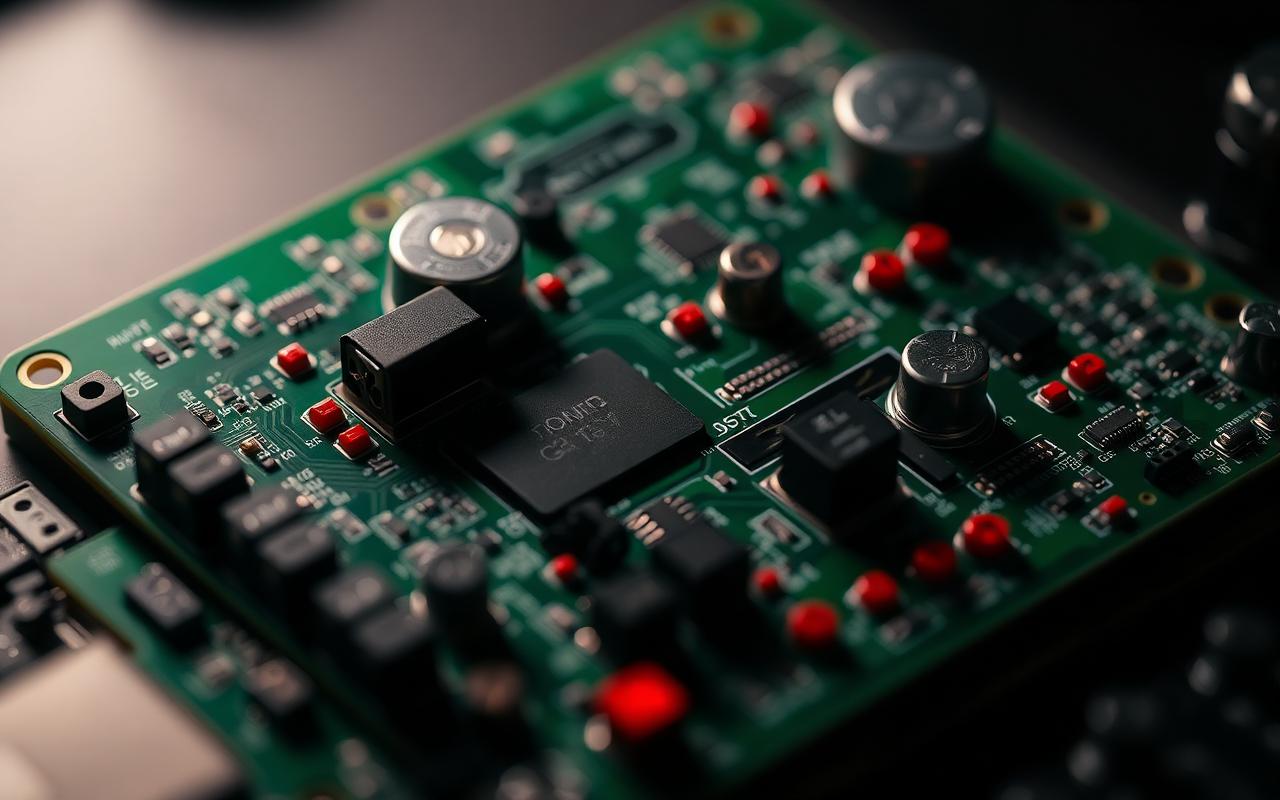
Inside a six-axis motion controller
A long look at the architecture, layout and validation that took a robotics controller from sketch to twelve thousand units.
 Editorial
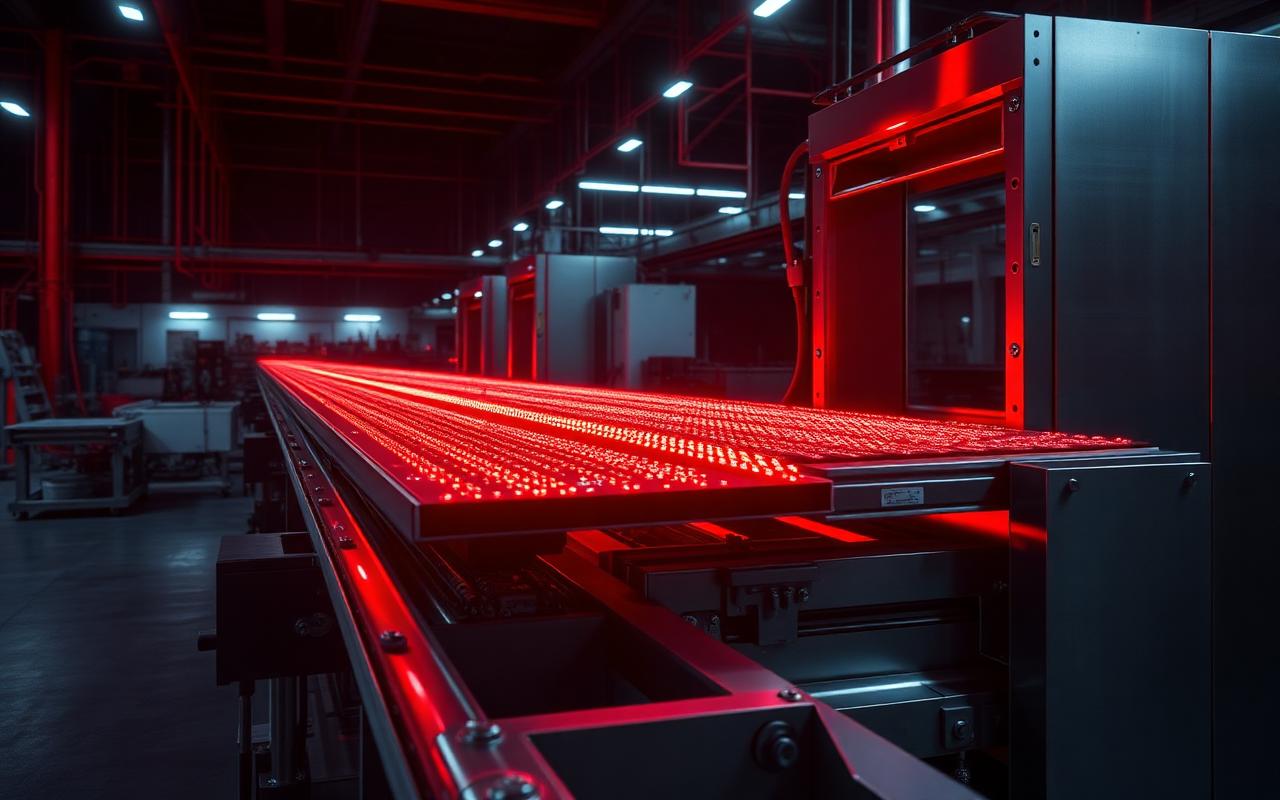
Twelve frames from the build floor
An afternoon spent watching a new product come together. Pictures, mostly. Words, sparingly.
 Editorial
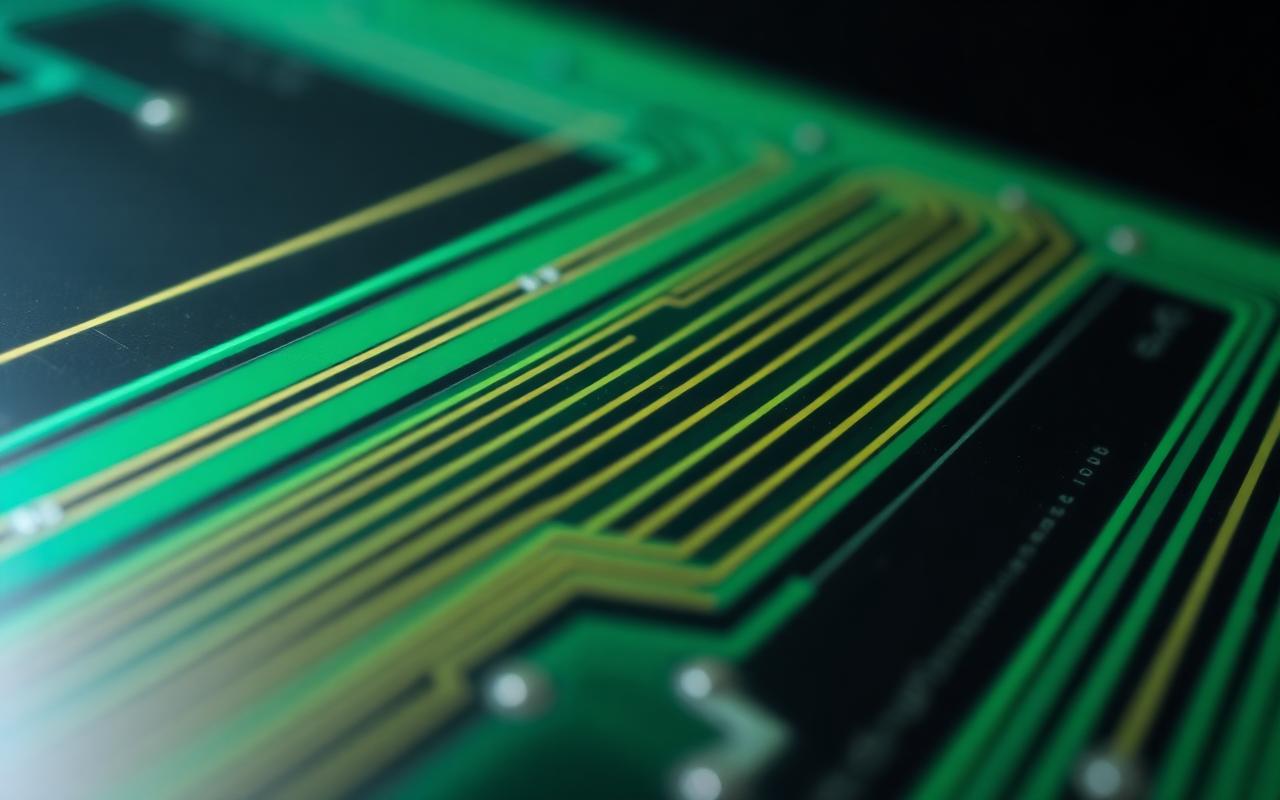
Controlled impedance, the short version
A practical guide to stackups, traces and the numbers that decide whether a high-speed lane works on the first try.
 Editorial
The BOM as a product decision
Every line on the bill of materials is a promise to a supplier. Treat it like one.
 Editorial
Rigid-flex without the drama
Rigid-flex looks expensive on paper and cheap in production. Here is when to reach for it.
 Editorial
Secure boot on a budget
A chain of trust does not need a security team. It needs three good decisions made early.
 Editorial
EMC pre-compliance in your own lab
You do not need a fully calibrated chamber to find ninety percent of your EMC problems.
 Editorial
The quiet art of power integrity
Decoupling is not folklore. It is a transfer function you can measure and a budget you can spend.
 Editorial
A Linux BSP that survives the second engineer
The first BSP works. The second engineer decides if the BSP was actually built.
 Editorial
DFM questions we ask on day one
Manufacturing readiness is a conversation that starts before the schematic, not after the gerbers.
 Editorial
Thermal design without a fan
Most products do not need a fan. They need a copper pour that understands its job.
 Editorial
Field notes from an NPI week
Five days at the contract manufacturer. What we changed, what we kept, what we learned.
 Editorial
Choosing an MCU in 2026
Cost is a feature. Lead time is a feature. The data sheet is a starting point, not a verdict.
 Editorial
Test fixtures that pay for themselves
A good ATE fixture is a product in its own right. Here is how we approach the build.
 Editorial
The case for mainline Linux
Vendor kernels are convenient on day one and expensive on day five hundred.
 Editorial
Antennas are not an afterthought
A great radio with a mediocre antenna is a mediocre product. The matching network is part of the layout.
 Editorial
Schematic reviews that find real issues
A good review is a checklist, a quiet room, and one engineer who has not seen the board before.
 Editorial
The anatomy of a product launch
A launch is a date. The product behind it is the result of fifty smaller dates done on time.
 Editorial
What we look for in an engineer
Curiosity, taste and the patience to read a data sheet twice.
 Editorial
The firmware update that never bricks
A/B partitions, signed images and a watchdog that knows how to roll back. The boring trio that keeps a fleet alive.
 Editorial
The cost of a late revision
Every revision after the first costs ten times more than the change suggests. Here is the math, and how we avoid it.